
Deciphering Business Analytics vs. Data Science
Knowing the difference between business analytics and data science in today’s business world is essential. Business analytics encompasses taking old data and looking for patterns that can tell you what made things happen in the past. Doing so aims to improve how a business works by looking at the past to see how it grew and survived. Data science, on the other end of the spectrum, goes deeper. It uses statistical models, algorithms, and machine learning to determine what may happen in the future, including popular trends. Both models use data, but they have different goals. Let’s learn more about the little things that make them different.
Related: Unveiling the Power of Customer Intelligence
Business Analytics Defined
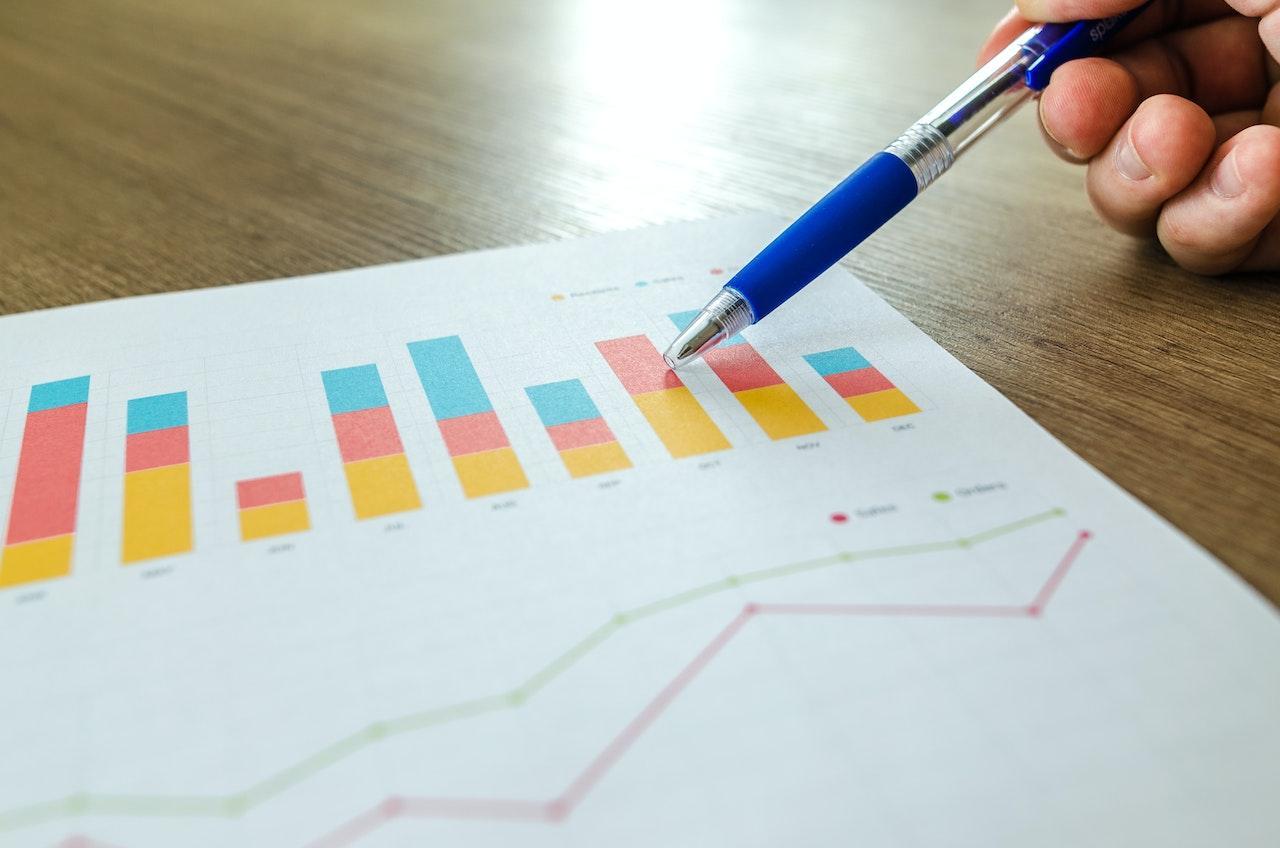
Business analytics is a skill set and a combination of methods and technologies you use to look into the past and see how well a business did. Looking at past data can help organizations make more intelligent choices, guess upcoming trends, and run more efficiently. The main goal of business analytics is to use computational and statistical methods to transform raw data into insights you can use. Statistical analysis, business intelligence, and data management fall under this category. The end goal is to get a better picture of how your business works, and it can help you make strategic decisions, ensuring you meet your business goals effectively and efficiently.
Business Analytics: Use Cases
In a data-informed world, Business Analytics gives us unmatched insights into many areas, which help us make intelligent decisions and plans.
- Healthcare: Healthcare facilities use business analytics to look at patient records to create more effective treatment plans, spot outbreaks, and improve patient care. The goal is to make the facility run more efficiently and improve patient health outcomes.
- Entertainment: Studios and various streaming platforms and services use business analytics to determine their audiences’ wants. It’s also helpful to make educated guesses on which upcoming movies will be the next big hit, and data allows studios and streaming services to make personalized suggestions for shows and movies to help viewers find their next binge-worthy show.
- Operational Efficiency: Dozens of fields use business analytics every day, from services to manufacturing. It helps learn how to streamline processes, reduce waste products and byproducts, increase worker productivity, and ensure organizations allocate resources where they can do the most good.
- Fraud Detection: Financial institutions, like banks, use business analytics to help pinpoint and block suspicious activities. This allows them to safeguard your assets and maintain their system integrity. They look at transaction patterns, solidifying them to spot anomalies and reduce risks in real-time.
Are you looking for data-backed ways to boost your business and use data to predict customer trends? Allow us at The Data Love Co. to give you valuable customer insights you can turn into an actionable marketing plan.
What Types of Data Does Business Analytics Look At?
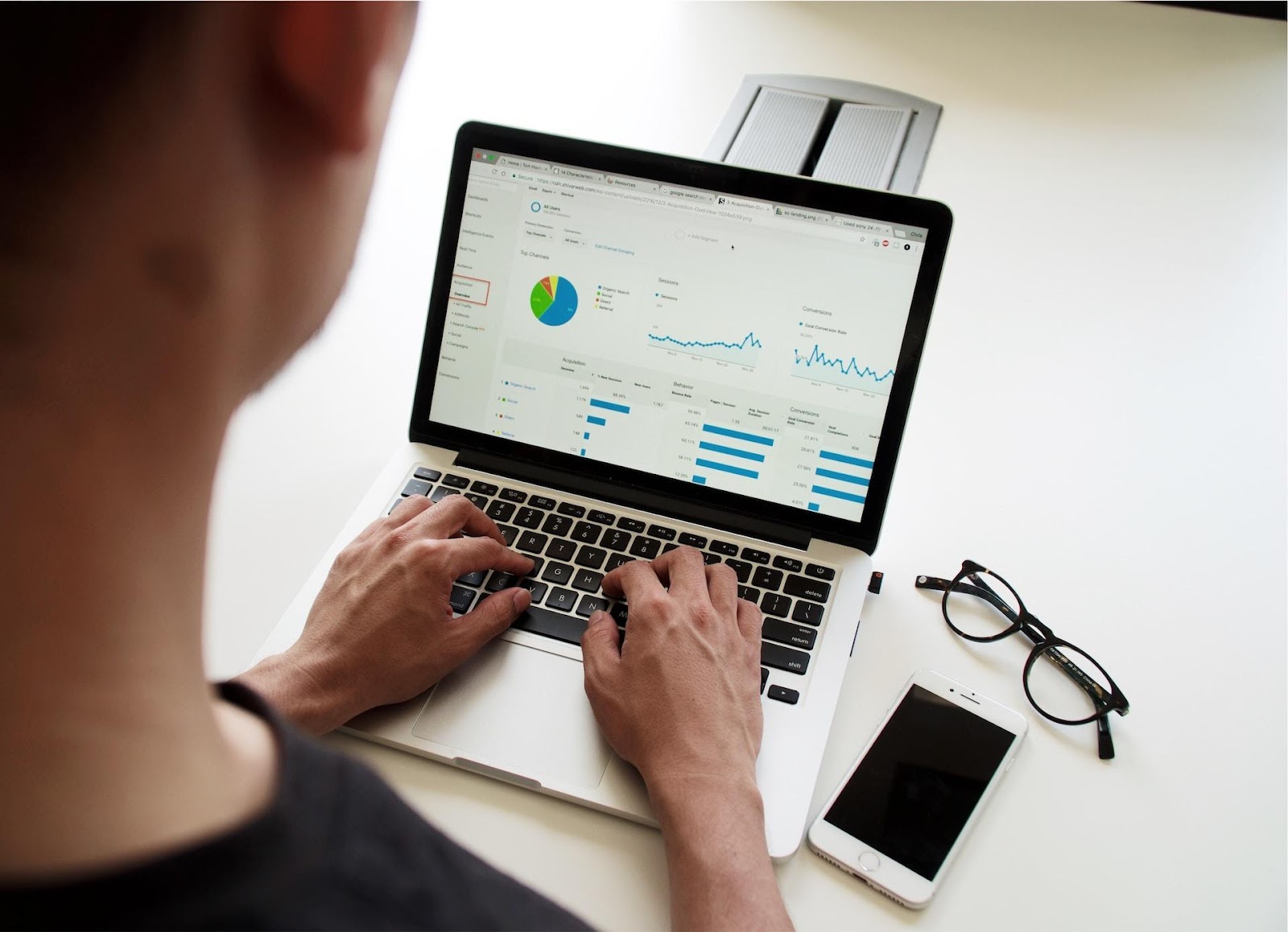
Business analytics looks at various data, like spreadsheets or databases (structured data) and images or texts (unstructured data). It’s common to include customer feedback, sales numbers, social media interactions, inventory levels, and other market trends. Organizations seek to leverage various data types—quantitative, qualitative, historical, and real-time—to gain insights for better decision-making.
Data Science Defined
Data science is a broad field that uses computing, statistics, and machine learning techniques to extract useful information from giant data sets. The field extends past traditional boundaries along with math, domain-specific knowledge, and computer science. At the core, data science finds patterns, makes choices based on the available data, and predicts future trends. A lot of the time, this includes gathering data, processing, and cleaning it. You can also use it to make predictive models and test and improve them for various uses. Data science pulls from past and present data to help guess what will happen next, rather than traditional analytics that tries to explain why things happened in the past. This lets people make decisions before they happen.
Related: Customer Data Integration
Data Science: Use Cases
Data science excels at taking vast amounts of complicated data and turning them into useful information that is easy to understand and apply, including:
- Marketing: Data science allows marketers to segment audiences, create targeted content, and predict campaign effectiveness. By understanding consumer behavior, organizations can tailor their marketing strategies for better customer engagement and higher ROI.
- Customer Relationship Management: Predictive analytics in Customer Relationship Management (CRM) helps organizations anticipate customer needs, improve sales forecasts, and enhance customer service. It also enables organizations to identify at-risk customers, allowing for targeted retention strategies.
- Finance: In the finance field, data science helps with credit scoring, algorithmic trading, and managing risk. Banks and other financial entities use it to help make better investments, get better risk assessments, and be more accurate with market predictions by processing large amounts of data.
- Manufacturing: Manufacturers use data science to help them optimize production processes, predict equipment failures, and manage supply chains efficiently. By analyzing production data, organizations can reduce waste, enhance quality control, and streamline operations, leading to increased profitability and reduced downtimes.
What Types of Data Does Data Science Look At?
Data science uses structured and unstructured types of data. Structured data encompasses spreadsheets and databases, and unstructured data includes videos, images, and text. At the core, data science studies vast sets of data, including transaction histories, sensor data, and how people engage online through social media platforms. You can use it to draw conclusions, find patterns, and predict future trends.
At The Data Love Co. we love helping our clients realize their full potential. Contact us and allow us to design an exclusive plan to take your business’s past trends and turn them into growth potential for the future!
Revolutionize Your Business with the Right Data and the Right Approach

In today’s data-informed world, using relevant data and taking an insightful approach can change the course of your business in the following ways:
- Simplify Complex Data: Dive into a sea of data and turn those huge numbers into insights that are easy to understand. Organizations can quickly find essential trends and growth opportunities by making complicated datasets easier to understand.
- Gain Customer Insights: Organizations can understand what their customers want and need by looking at their buying habits, feedback, and how they act online. This helps them make better products and more effective marketing strategies.
- Make Better Decisions: Organizations can make decisions based on facts when they can access data. This cuts down on guesswork and improves the chances of success.
- Keep Customers Engaged: Data helps create personalized experiences, find solutions, and make people want to read content. When you use data, you can ensure that your customers are always at the center of your strategy.
Related: Customer Intelligence Trends